Post
5 Features of Durable Athletic Shoes: What Makes Them Last Longer?
May
5 Features of Durable Athletic Shoes: What Makes Them Last Longer?
Investing in a high-quality pair of sneakers is more than just a superficial style choice; it is a direct investment in your physical health, athletic performance, and long-term financial savings. However, with countless options flooding the retail market today, finding truly durable athletic shoes can feel like an incredibly daunting task. Why do some shoes completely fall apart after just a few months of intense workouts, while other models manage to endure years of heavy pounding on unforgiving asphalt?
Understanding what makes a sneaker resilient requires looking far beyond its immediate aesthetic appeal or brand hype. In this comprehensive guide, we will break down the structural elements, advanced engineering materials, manufacturing mechanics, and essential daily maintenance practices that ultimately determine the true lifespan of your athletic footwear.
1. The Structural Anatomy of Long-Lasting Footwear
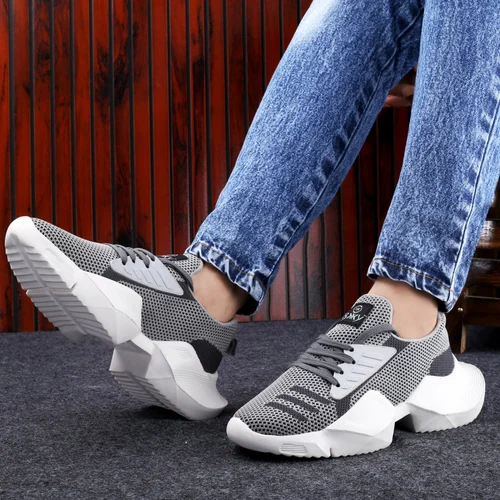
To truly understand footwear longevity, we must first analyze how a modern sports shoe is constructed. High-performance athletic footwear is fundamentally composed of three primary structural components: the upper, the midsole, and the outsole. Each layer plays a vital, distinct role in resisting daily wear and tear.
The Upper: The First Line of Defense
The upper is the part of the shoe that wraps entirely around your foot, providing essential lateral stability, lockdown, and breathability. In durable athletic shoes, the upper must be capable of withstanding constant flexing, internal friction, and unpredictable environmental exposure. While traditional leather offers excellent natural longevity and puncture resistance, it heavily lacks the breathability required for intense sports.
Modern high-performance sneakers solve this structural dilemma by utilizing heavily engineered mesh, ballistic nylon, or advanced woven knits. These premium fabrics are then strategically reinforced with synthetic Thermoplastic Polyurethane (TPU) overlays in high-wear areas, specifically around the toe box and the heel counter, ensuring the material does not tear during sudden, explosive movements.
The Midsole: Structural Integrity and Cushioning
The midsole is the hidden engine of the shoe, responsible for crucial shock absorption and energy return. It is also the specific component that usually dictates when a shoe is functionally “dead,” even if the exterior of the shoe still looks absolutely pristine. When a midsole degrades, it loses its ability to protect your joints from impact, leading to knee and ankle fatigue.
Standard Ethyl Vinyl Acetate (EVA) foam is lightweight and cheap to manufacture, but it tends to compress rapidly and lose its natural bounce over time under consistent stress. On the other hand, premium resilient footwear often utilizes Polyurethane (PU) or advanced proprietary expanded TPU foam blends (such as Adidas’ Boost or Nike’s React). These high-density materials retain their structural integrity, shape, and shock-absorbing capabilities much longer under heavy, repetitive impacts.
The Outsole: Defying Ground Friction
The outsole is the bottom layer of the shoe that makes direct, continuous contact with the ground. Because it constantly grinds against abrasive surfaces, it requires the toughest materials available to modern engineering.
Quality athletic shoes rely heavily on high-abrasion rubber compounds rather than soft, blown rubber. For instance, top-tier trail running and hiking shoes often feature specialized rubber traction patterns (like Vibram soles) engineered specifically to resist sharp rocks, loose gravel, and rough terrain without wearing down prematurely or chipping away.
2. Key Materials That Guarantee Long-Term Durability
When shopping for your next pair of sports shoes, keeping a close eye on specific material labels and product specifications can save you a significant amount of money in the long run.
For the upper assembly, standard canvas or basic, unreinforced mesh will rip easily under heavy stress. Premium durable shoes almost always opt for ballistic nylon or multi-layered engineered knit. These textiles resist tearing from debris and adapt seamlessly to your unique foot shape without stretching out permanently or losing their structural hold.
For the internal midsole, standard lightweight EVA foam is easily outclassed by Polyurethane or expanded TPU. These premium foam options resist compression sets, meaning they bounce back to their original shape after every single step, maintaining their protective cushioning for hundreds of miles.
For the foundational outsole, regular blown rubber is cheap and lightweight, but it wears down flat within a matter of months. Maximum durability shoes instead implement heavy carbon rubber or specialized, branded traction compounds to ensure total abrasion resistance on hard, unforgiving surfaces like concrete and track fields.
How Materials Are Formally Joined Together
How these various materials are physically joined together matters immensely for the overall lifespan of the footwear. Budget sneakers rely solely on cheap, mass-produced adhesives that easily degrade, peel, and crack when exposed to water, mud, or ambient heat.
Conversely, premium durable athletic shoes feature extensive double or triple reinforced stitching along critical stress lines. They also utilize advanced heat-welded seams or a robust combination of both stitching and industrial-grade bonding to completely prevent delamination—which is the catastrophic separation of the upper fabric from the rubber sole.
3. How Activity Types Impact Overall Shoe Lifespan
Not all athletic shoes are created equal, and using the wrong shoe for a specific sport will drastically accelerate its destruction. Footwear is highly specialized, and cross-using them outside their intended environment bypasses their built-in safety and durability features.
Running Shoes: These are engineered strictly for forward, linear motion. Running consistently on hard asphalt requires heavy-duty outsole rubber patterns and incredibly resilient midsole cushioning to absorb repetitive, predictable impacts over long distances.
Cross-Training and Gym Shoes: These are built specifically for lateral movements, heavy weightlifting, and high-impact plyometrics. These shoes require much stiffer, lower-profile midsoles for ground stability, alongside reinforced side walls to prevent your foot from physically blowing out the side of the shoe during sharp, sudden cuts.
Trail and Outdoor Hiking Shoes: These face constant mud, standing water, sharp sticks, and jagged debris. They utilize heavy, rubberized toe bumpers made of thick TPU and deeply lugged outsoles to ensure the entire shoe survives harsh, unpredictable outdoor elements without puncturing.
A vital rule to remember is to never use your dedicated running shoes for casual daily walking or multi-directional court sports like tennis or basketball. The highly specialized, soft foam in running shoes degrades at an accelerated rate when subjected to unpredictable, multi-directional friction and heavy side-to-side shearing forces.
4. The Obvious Signs of High-Quality Construction
Before tapping your credit card at the cash register or placing an online order, perform these quick, practical quality checks to ensure you are buying genuinely durable athletic shoes:
The Flex Test: Bend the shoe at the toe box by pushing the front upward. It should flex naturally precisely where your foot naturally bends—at the ball of the foot. If the shoe bends easily in the middle of the arch, it means the shoe completely lacks a proper internal shank, and the structural base will break down quickly, causing severe foot fatigue.
Torsional Rigidity: Grab the front of the shoe with one hand and the heel with the other, then twist the shoe gently like a wet towel. A truly durable shoe should offer moderate to firm resistance against this twisting motion. Excessive, effortless twisting indicates incredibly poor midfoot support and weak structural binding.
Removable Insoles: High-quality athletic brands almost always provide completely removable sock liners. This small feature allows you to pull the insoles out to air the shoes out properly after sweaty workouts, or easily replace them with custom orthotics over time without ruining the internal base fabric of the shoe.
5. Essential Maintenance Practices to Maximize Footwear Longevity
Even the most ruggedly engineered, premium shoe will deteriorate rapidly if it is neglected or abused. Incorporating proper care habits can easily extend the functional lifespan of your durable athletic shoes by 30% to 50%.
Implement a Strict Shoe Rotation System
Foam materials require adequate time to physically decompress. When you crush the midsole during an intense workout or a long run, it can take anywhere from 24 to 48 hours for the microscopic air bubbles trapped within the foam matrix to fully expand back to their original shape. If you work out every single day, rotating between two different pairs of shoes allows each pair to recover completely, significantly extending the collective mileage and longevity of both pairs.
Master the Art of Hand Cleaning
Never, under any circumstances, toss your premium athletic shoes into a mechanical washing machine or a clothes dryer. The intense spinning action tears brutally at the delicate stitching, while the high heat of a dryer melts structural glues and warps the foam midsoles completely out of shape.
Instead, follow these systematic steps:
Remove the laces and the insoles to wash them separately by hand.
Use a soft-bristled brush or an old toothbrush dipped in a mixture of mild soap and lukewarm water to gently scrub away surface dirt and mud.
Once clean, allow them to air dry completely in a shaded, well-ventilated indoor area. Avoid placing them in direct sunlight, as harsh UV rays dry out, discolor, and crack synthetic materials.
Conclusion: Prioritizing Value Over the Initial Price Tag
When it comes to athletic fitness gear, you genuinely get what you pay for. Choosing durable athletic shoes constructed from premium materials like carbon rubber, engineered mesh, and resilient polyurethane foams might require a higher upfront financial cost, but it saves you substantial money over time by drastically reducing the frequency of replacements.
By precisely matching your shoes to your specific workout routine, checking for strong structural builds before purchasing, and practicing smart maintenance habits like shoe rotation and hand washing, you ensure that your footwear stays supportive, comfortable, and intact for countless miles to come. Protect your feet, maximize your athletic performance, and choose real durability every single time,
