Post
5 Essential Benefits of Flexible Sole Shoes for Natural Movement
May
In recent years, the footwear industry has experienced a massive shift in philosophy. For decades, consumers were told that heavy cushioning, rigid arch supports, and thick heels were essential for foot health. However, modern podiatry and biomechanics are pulling back the curtain on a different truth: your feet are naturally designed to move, flex, and feel the ground. This realization has sparked a global movement toward flexible sole shoes.
Choosing flexible sole shoes for natural movement is not just a passing fashion trend; it is a fundamental investment in your long-term mobility, posture, and strength. In this comprehensive guide, we will explore the science behind flexible footwear, the 5 remarkable health benefits it offers, and how to choose the perfect pair to restore your feet to their natural, functional state.
The Science of Natural Movement and Foot Biomechanics
To understand why a flexible sole shoe is so beneficial, we first need to understand the complex anatomy of the human foot. Each of your feet is a biological masterpiece, containing 26 bones, 33 joints, and over 100 muscles, tendons, and ligaments. Together, they act as a natural shock-absorption system and a powerful spring mechanism for walking, running, and jumping.
When you encase your foot in a traditional rigid shoe, you essentially put it in a splint. The joints cannot move, the muscles do not engage, and the sensory nerves on the bottom of your feet are completely cut off from the ground. Over time, this lack of movement causes the muscles in your feet to atrophy, leading to common ailments like fallen arches, plantar fasciitis, and poor balance.
According to major podiatry research groups like the American Podiatric Medical Association, a footwear design that mimics barefoot movement patterns works in harmony with your anatomy rather than against it. By allowing the foot to bend at the metatarsal joints (the ball of the foot), these shoes ensure that your muscles fire correctly with every step, maintaining the structural integrity of your foot arch naturally.
5 Key Benefits of Switching to Flexible Sole Shoes
Transitioning away from stiff, heavily cushioned footwear to options with a highly pliable base brings a wave of physiological improvements. Here are the 5 primary benefits you can expect:
1. Strengthened Foot Muscles and Restored Arches
Just like any other muscle group in your body, the muscles in your feet require exercise to stay strong. Traditional shoes do all the work for your feet, leaving them weak. The ultra-flexible design of natural movement footwear forces your intrinsic foot muscles to engage, actively rebuilding your arches and strengthening your ankles over time.
2. Enhanced Proprioception and Balance
Proprioception is your body’s ability to sense its position, movement, and balance relative to the environment. The soles of your feet are packed with thousands of nerve endings that provide vital feedback to your brain. Stiff soles numb this connection. Conversely, a thin, flexible sole shoe allows you to feel the textures of the terrain, drastically improving your balance, agility, and spatial awareness.
3. Realignment of Posture and Joint Pain Relief
Most conventional shoes feature a “heel drop”—meaning the heel is elevated higher than the toes. This minor tilt throws off your entire skeletal alignment, pushing your pelvis forward and straining your lower back, knees, and hips. Most flexible sole shoes utilize a “zero-drop” platform, keeping your heel and forefoot level. This natural alignment evenly distributes your body weight and frequently alleviates chronic joint pain.
4. Natural Toe Splay and Deformity Prevention
Alongside a bendable sole, footwear designed for natural movement features a wide, anatomically correct toe box. Traditional pointed shoes squeeze the toes together, causing bunions, hammertoes, and neuromas. A wide toe box allows your toes to splay naturally, providing a wider base of support and maximizing power generation during movement.
5. Improved Cardiovascular and Musculoskeletal Efficiency
When your feet function efficiently, your entire gait cycle improves. Walking or running in lightweight, flexible shoes reduces the energy cost of movement. Your lower leg muscles, particularly your calves and Achilles tendons, act as natural elastic springs, reclaiming energy from each step and reducing overall fatigue during long walks or runs.
What to Look for in a True Flexible Sole Shoe
Not all shoes advertised as “comfortable” support natural movement. When shopping for authentic flexible sole shoes, check for these four non-negotiable characteristics:
Sole Flexibility: The shoe should easily roll up or twist in a spiral with minimal effort. This allows the foot to mimic barefoot movement patterns smoothly.
Zero-Drop Platform: A completely flat profile from the heel to the toe. This promotes natural posture and prevents unnatural pressure on joints.
Wide Toe Box: An anatomical shape that matches the natural fan of human toes. This prevents bunions and allows proper balance and toe engagement.
Lightweight & Thin: Minimal stack height with low overall weight. It reduces fatigue and boosts sensory feedback (proprioception).
How to Safely Transition to Natural Movement Footwear
If you have spent decades wearing rigid shoes, your foot muscles are likely underconditioned. Transitioning to a highly flexible sole shoe too quickly can lead to muscle soreness or strain. Follow this step-by-step approach for a safe and comfortable transition:
Step 1: Start at Home. Spend more time entirely barefoot or in grip socks while walking around your house to wake up dormant nerve endings.
Step 2: The 10% Rule. Wear your new flexible footwear for short intervals—about 30 to 60 minutes a day—during low-intensity activities like grocery shopping or short walks.
Step 3: Listen to Your Body. Mild calf tightness or foot fatigue is normal as muscles rebuild, but sharp pain is a sign to back off and rest.
Step 4: Incorporate Foot Stretches. Roll the arches of your feet over a tennis ball and stretch your calves daily to assist the adaptation process.
Choosing the Right Pair for Your Lifestyle
Whether you are an avid runner, a gym enthusiast, or an office professional, there is a natural movement shoe tailored to your specific needs:
Daily Casual Wear
For everyday errands, look for minimalist sneakers or canvas slip-ons featuring a thin rubber base. These offer excellent ground feel and styling versatility without compromising your foot health.
Athletic Training and Running
If you are looking for flexible sole shoes for natural movement during workouts, prioritize options with durable, high-traction outsoles. Many top minimalist brands offer cross-trainers that provide superb lateral stability while remaining entirely flexible for lifting and sprinting.
Professional Settings
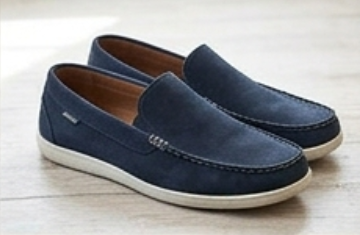
You do not have to sacrifice foot freedom at the office. Several innovative barefoot brands now craft premium leather oxfords, loafers, and ballet flats that look perfectly formal on the outside but feature completely flexible, wide-toe box designs on the inside.
Conclusion: Step Into Freedom
Reclaiming the natural strength and agility of your feet is one of the most liberating health journeys you can undertake. By transitioning to a premium flexible sole shoe, you stop fighting against your biology and start moving the way nature intended.
Be patient with your transition, choose the right style for your lifestyle, and enjoy the renewed energy, balance, and strength that comes with every single step. Your feet have supported you your entire life—it is finally time to give them the freedom they deserve.
