Post
10 Amazing Benefits of Wearing Sports Shoes Every Day for Health
May
Top Benefits of Wearing Sports Shoes Every Day for Better Health
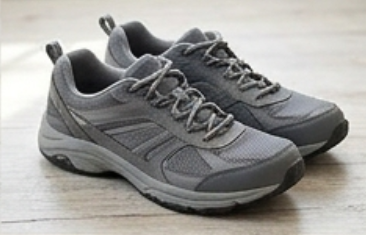
Wearing sports shoes every day is no longer just a fashion trend choice—it is a practical decision that directly affects your comfort, health, and daily productivity. Unlike regular footwear, modern athletic shoes are engineered with advanced cushioning, targeted support systems, and highly breathable materials. These features make them ideal not only for intense workouts but also for daily activities such as walking, commuting, or standing for long periods.
Many people underestimate how much their footwear choices influence their overall physical well-being. Wearing improper shoes can quickly lead to chronic foot pain, poor posture alignment, and early fatigue. On the other hand, understanding the benefits of wearing sports shoes daily can significantly improve your quality of life and reduce physical stress on your body.
Here is a comprehensive look at why making the switch to athletic footwear for your daily routine is one of the best investments you can make for your health.
1. Superior Comfort for Demanding Daily Activities
The most immediate advantage you will notice when wearing sports shoes daily is the unmatched level of comfort. Standard lifestyle shoes or formal footwear often prioritize aesthetics over ergonomics, leading to sore feet by the end of the day.
Athletic shoes combat this by integrating advanced manufacturing technologies:
Soft Cushioning Systems: High-grade foam layers reduce the direct pressure exerted on the soles of your feet.
Flexible Soles: Responsive outsoles allow your feet to move through their natural range of motion without restriction.
Lightweight Engineering: Modern materials minimize the weight of the shoe, which significantly reduces muscle fatigue during long walks.
Whether you are running errands, commuting through the city, or traveling, sports shoes provide consistent, reliable comfort that lasts from morning until night.
2. Enhanced Foot Support and Structural Alignment
One of the core benefits of wearing sports shoes is the specialized anatomical support they offer. Your feet bear the weight of your entire body, and without proper structural support, imbalances can occur.
Sports shoes are meticulously designed to reinforce different areas of the foot:
Arch Support: Proper arch contours help maintain correct foot alignment, preventing the foot from rolling too far inward (overpronation) or outward (supination).
Heel Stabilization: Deep heel cups lock your foot into position, stabilizing your stride and reducing ankle wobbles.
Midsole Support: The middle section of the shoe acts as a bridge, ensuring that your weight is distributed evenly across the entire foot structure.
3. Advanced Shock Absorption and Injury Prevention
Every single step you take generates a shockwave that travels up your legs. Over time, walking on hard surfaces like concrete without adequate protection can severely impact your joints.
Daily athletic footwear mitigates this risk through superior shock absorption mechanisms:
EVA and Gel Midsoles: Materials like Ethylene-Vinyl Acetate (EVA) or specialized gel inserts absorb the force of impact before it reaches your bones.
Impact Dispersion: The outsoles are shaped to spread the energy of each step outward rather than upward.
By lowering the impact force, you effectively protect your knees, ankles, and lower back from chronic strain, micro-traumas, and long-term joint overuse injuries.
4. Promotes Better Posture and Spinal Health
Your feet are the foundation of your entire skeletal system. When your foundation is uneven or unsupported, the rest of your body has to compensate, which frequently leads to poor posture.
Wearing supportive sports shoes helps maintain your body’s natural alignment. When your feet are properly supported, your pelvis and spine align naturally. This alignment reduces the strain on your lower back muscles and eliminates the slouching often caused by foot fatigue or painful pressure points. For individuals who stand for hours at work, this benefit is crucial for preventing chronic back disorders.
5. Maximum Breathability and Foot Hygiene
Foot hygiene is often overlooked, but it plays a massive role in daily comfort. Standard leather or synthetic shoes trap heat and moisture, creating a breeding ground for bacteria.
Modern sports shoes solve this problem by utilizing engineered mesh and knitted fabrics:
Optimized Airflow: Continuous ventilation keeps your feet cool, even during hot weather or extended wear.
Moisture-Wicking Linings: Advanced inner fabrics draw sweat away from the skin.
Odor and Bacteria Reduction: Keeping the foot environment dry significantly lowers the risk of fungal infections like athlete’s foot and prevents unpleasant odors.
6. Exceptional Versatility for Dynamic Lifestyles
In today’s fast-paced world, your schedule can change in an instant. A major practical benefit of sports shoes is their sheer versatility.
A single pair of high-quality athletic shoes can effortlessly transition between multiple environments:
Morning walks or brisk commutes to the office.
Light gym sessions, midday jogs, or fitness classes.
Extended weekend travel, sightseeing, and casual social gatherings.
Instead of carrying multiple pairs of shoes in your bag or car, a versatile sports shoe handles almost all daily physical demands seamlessly.
7. Significant Reduction in Foot Fatigue
If you feel completely drained at the end of a workday, your shoes might be the culprit. Unsupportive footwear forces the muscles in your feet and calves to work twice as hard just to keep you stable.
Sports shoes dramatically reduce this fatigue by optimizing energy return. The responsive cushioning bounces back with every step, effectively giving you a slight push forward. Furthermore, by distributing your body weight evenly across the sole, it eliminates localized pressure hotspots that cause throbbing pain and exhaustion.
8. Improved Stability, Grip, and Balance
Safety underfoot is vital, especially when navigating unpredictable weather or uneven terrains. Slipping or tripping can lead to sudden, severe injuries like sprains or fractures.
Athletic shoes are built with performance-grade traction features:
Anti-Slip Rubber Outsoles: Specially formulated rubber compounds provide a firm grip on wet or smooth surfaces.
Tread Patterns: Deep grooves and multi-directional patterns channel water away and maximize surface contact.
Wide Base Designs: Many sports shoes feature a slightly wider sole profile to increase your overall stability and balance.
9. Long-Term Foot Health and Disease Prevention
Investing in the benefits of wearing sports shoes today can save you from painful medical conditions in the future. Consistent use of unsupportive shoes is a leading cause of several chronic foot ailments.
Regularly wearing well-cushioned sports shoes helps prevent:
Plantar Fasciitis: Inflammation of the thick band of tissue across the bottom of your foot, caused by poor arch support.
Bunions and Corns: Often aggravated by narrow toe boxes found in formal shoes; sports shoes typically offer wider toe boxes.
Achilles Tendonitis: Strain on the tendon at the back of the ankle, mitigated by the proper heel-to-toe drop of running or walking shoes.
10. Seamless Integration with Modern Fashion
Fortunately, choosing health no longer means sacrificing your personal style. Athleisure and streetwear fashion have made sports shoes fully acceptable in most casual, smart-casual, and even progressive workplace environments.
With thousands of sleek designs, vibrant colorways, and minimalist aesthetics available from top brands, you can easily find a pair that coordinates with jeans, trousers, skirts, or casual suits. You get to enjoy premium physical comfort while maintaining a sharp, contemporary look.
Common Mistakes to Avoid with Daily Sports Shoes
To fully maximize the health benefits of wearing sports shoes, make sure you avoid these common pitfalls:
Wearing the Wrong Size: Always measure your feet in the afternoon (when they are slightly swollen) to ensure a perfect fit. Leave about a thumb’s width of space in the toe box.
Using Worn-Out Shoes: Cushioning and support materials degrade over time. As a general rule, replace your daily sports shoes every 300 to 500 miles (or roughly every 6 to 12 months of daily use).
Choosing Style Over Function: Do not buy a shoe solely based on a trendy logo if it does not offer the specific arch support or cushioning your foot type requires.
Quick Summary: Why Switch to Daily Athletic Footwear?
| Category | Primary Health & Practical Benefits |
| Physical Comfort | Reduced pressure, lighter steps, and soft foam protection. |
| Medical Prevention | Lowers risk of Plantar Fasciitis, joint pain, and blisters. |
| Body Mechanics | Corrects spinal alignment, improves posture, and enhances balance. |
| Lifestyle Hygiene | Mesh breathability keeps feet dry, cool, and odor-free. |
Conclusion
The true benefits of wearing sports shoes every day extend far beyond simple comfort. By choosing footwear engineered for support and protection, you actively safeguard your joints, improve your posture, reduce daily physical fatigue, and protect yourself against chronic long-term injuries.
Whether your day involves a demanding job on your feet, a busy commute, or active travel, the right pair of sports shoes can transform your daily experience. Make the smart switch today to elevate both your comfort and your long-term health.
