Post
Ultimate Guide to White Sneaker Maintenance: 7 Steps to Keep Them Brand New
May
White shoes are widely recognized as the ultimate global fashion staple. They effortlessly match almost every outfit imaginable, look incredibly sharp, and never go out of style regardless of changing seasonal trends. However, any sneaker owner knows the primary, frustrating drawback: they attract ugly dirt, dark mud, and black scuff marks almost instantly. Proper white sneaker maintenance is not just a matter of basic aesthetics; it actively and drastically extends the overall lifespan of your favorite footwear, preserving their pristine look for years to come. If you genuinely want to keep your footwear looking fresh and bright, you must develop a proactive, dedicated care routine rather than waiting for them to become completely ruined and stained beyond repair.
Many people make the critical, destructive mistake of throwing their dirty white shoes directly into a mechanical washing machine, which can quickly warp the internal structures, melt the glues, and cause white fabrics to turn an ugly, unwearable shade of yellow. In this ultimate comprehensive guide, we will cover safe, expert-backed, and tested methods for flawless white sneaker maintenance, tailored specifically for leather, canvas, and mesh materials available on crivstory.
[TOC]1. The Materials Matter: Tailoring Care for Leather, Canvas, and Mesh
Before you apply any liquid cleaning agent, soap, or chemical compound to your shoes, you must accurately identify exactly what your shoe is made of. The fascinating cultural history of historical sneakers shows that different eras introduced completely unique synthetic materials and fabric blends, each requiring specialized chemical care and cleaning tools. Treating delicate mesh the same way you treat tough leather will result in permanent damage.
- Premium Genuine Leather: This is arguably the easiest material to clean because it is highly non-porous. Liquid stains, mud, and dirty water sit directly on the surface rather than sinking deep into the material. This means a quick, immediate wipe-down with a damp microfiber cloth often resolves most minor daily marks before they set.
- Traditional Canvas Fabrics: Canvas is a highly porous, woven textile that absorbs dirty liquids almost instantly. Once mud penetrates canvas, it locks into the fibers. Canvas requires deep liquid saturation, specialized cleaning formulas, and gentle scrubbing to fully release trapped dirt particles from deep inside the weave.
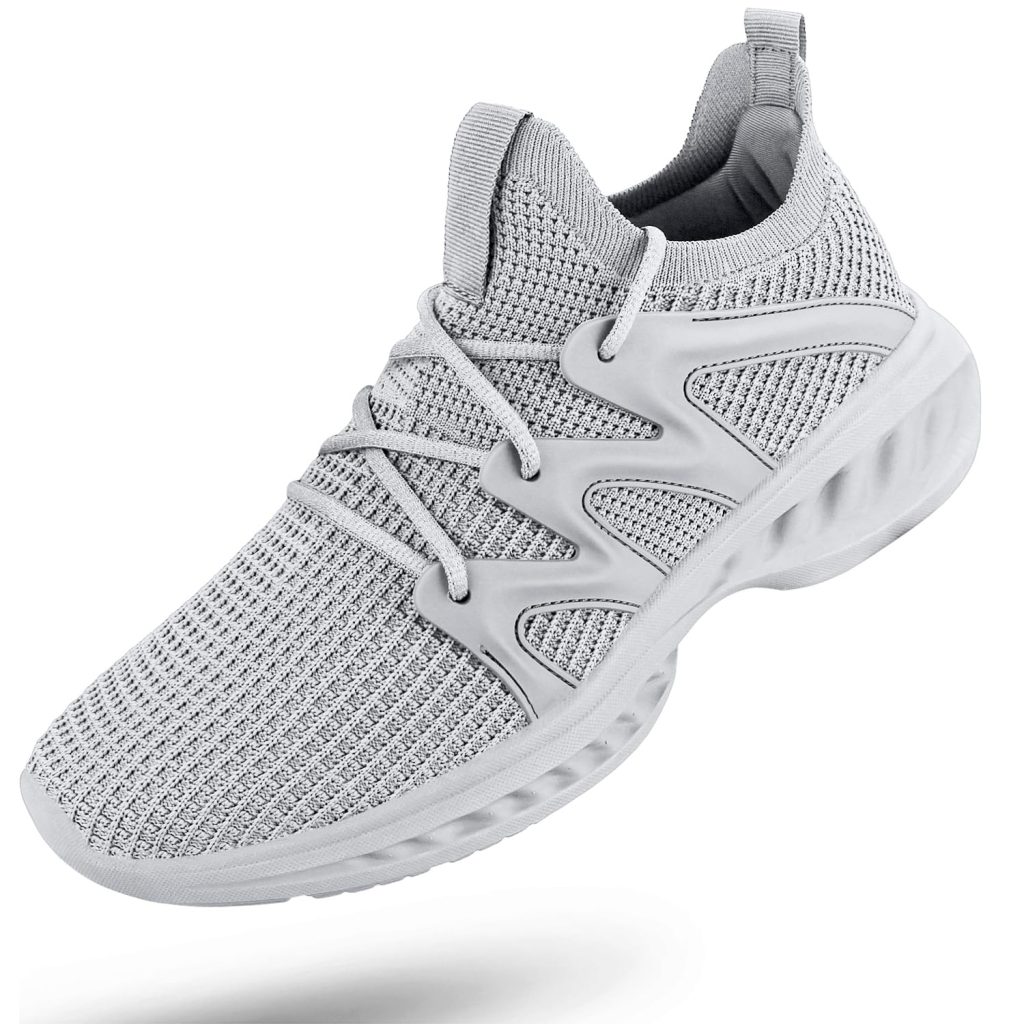
- Modern Engineered Mesh: Found commonly on high-performance running shoes and lightweight lifestyle footwear. Mesh is incredibly breathable but highly delicate. It can fray, tear, or fuzzy up easily if you scrub it with a stiff-bristled brush. Mesh requires maximum care, low-pressure rubbing, and gentle microfiber cloth blotting during the white sneaker maintenance process.
2. The Ultimate Step-by-Step Cleaning Guide for White Shoes
Follow this safe, professional handbook to safely lift tough stains, eliminate road salt lines, and remove dark scuffs without risking structural color bleeding, fabric fraying, or glue separation:
Step 1: Thoroughly Dry Brush the Surface Dirt
Never apply water, wet cloths, or liquid sprays to a shoe that is currently covered in loose dust or dry mud. Doing this creates a dark, muddy paste that immediately sinks deeper into the porous fabric uppers. Always use a dry, soft-bristled brush (an old toothbrush works perfectly) to gently sweep away all loose surface debris from the upper panels, lacing system, tongue, and rubber sole edges first.
Step 2: Create a Safe, Non-Destructive Cleaning Solution
Mix warm water with a few drops of mild dish soap or a specialized, premium sneaker cleaning solution. Completely avoid using harsh industrial laundry detergents, powdered bleaches, or chlorine-based products. These harsh chemical compounds trigger violent oxidation reactions when exposed to oxygen, which permanently turns white rubber midsoles and synthetic meshes into an unfixable, aged yellow color. Mild, pH-neutral soaps are the safest choice for consistent white sneaker maintenance.
Step 3: Deep Clean and Restore the White Midsoles
The rubber midsole takes the absolute worst physical beating from city streets and dirty pavements. Use a firmer-bristled brush or a specialized melamine magic eraser foam dipped in your soapy solution to scrub this area vigorously. For incredibly stubborn black scuff marks caused by friction, applying a small amount of non-gel white toothpaste and scrubbing in tight, circular motions works absolute miracles to restore the bright white factory look.
Step 4: Clean the Shoelaces Separately
Dirty shoelaces will make an otherwise clean shoe look old and dingy. Remove the laces completely from the shoes. Soak them in a bowl of warm water mixed with a small amount of baking soda and mild liquid soap for roughly 30 minutes. After soaking, rub the laces together between your hands to scrub out the embedded eyelet dirt, rinse them thoroughly with clean water, and hang them up to air dry.
3. Crucial Drying Techniques to Prevent Destructive Yellowing
The drying phase is exactly where the vast majority of shoe owners fail their white sneaker maintenance goals. Never, under any circumstances, place your wet white shoes inside a mechanical clothes dryer. The intense, concentrated heat will quickly warp the technical midsole foam shape, melt the structural bonding glues, and cause the panels to separate entirely.
Furthermore, do not leave your wet white shoes drying under direct, intense outdoor sunlight. Ultraviolet (UV) rays rapidly accelerate the chemical oxidation process on damp fabrics, turning pristine white mesh into a dull, blotchy yellow. Instead, stuff the insides of your sneakers tightly with clean, white paper towels (avoid newspaper as the ink will bleed onto the wet shoes). The paper towels will absorb internal moisture rapidly and preserve the shoe’s original toe box shape perfectly. Leave them to air dry naturally in a cool, well-ventilated, shaded indoor room away from direct sunlight.
4. Proactive Protection: Stain Repellent Sprays
The best way to maintain white shoes is to prevent them from getting stained in the first place. Once your shoes are completely clean and dry, apply a high-quality hydrophobic stain repellent spray. These sprays create an invisible, microscopic barrier that repels water, liquids, and wet mud, causing them to bead up and roll off the shoe fabric without soaking in. Apply a light, even coat, let it dry for 15 minutes, and apply a second coat for maximum long-term protection.
Conclusion: Consistency Keeps Your Sneakers Bright
Mastering effective white sneaker maintenance does not require incredibly expensive professional equipment or hours of exhausting hard work. By simply wiping down your shoes with a damp cloth after every few wears, treating deep stains immediately before they have time to permanently set, and drying them safely away from harsh mechanical heat and direct sunlight, your white sneakers will continue looking brand new, bright, and flawless for months on end.
