Post
5 Crucial Differences Between High-Top vs Low-Top Sneakers You Should Know
May
5 Crucial Differences Between High-Top vs Low-Top Sneakers You Must Know
When it comes to building a versatile shoe collection, the debate between high-top vs low-top sneakers is as old as sneaker culture itself. What started as purely functional designs for athletes has evolved into a defining choice for daily fashion, comfort, and personal expression.
Choosing between these two iconic silhouettes isn’t just about aesthetics; it impacts your comfort, ankle support, mobility, and how you style your outfits. In this ultimate guide, we will break down the key differences between high-top vs low-top sneakers to help you decide which style deserves a spot in your wardrobe.
What are High-Top Sneakers?
High-top sneakers are defined by their extended upper collar that rises well above the ankle bone. Originally engineered for basketball players in the early 20th century—most notably popularized by the legendary Converse Chuck Taylor All Star—high-tops were designed to provide maximum stability during intense, multi-directional movements.
Over the decades, modern basketball shoes have evolved, but high-tops remain a dominant force in streetwear and casual fashion. Classic examples include the Air Jordan 1, Nike Dunk High, and the timeless Vans Sk8-Hi.
What are Low-Top Sneakers?
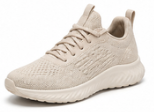
In contrast, low-top sneakers feature a collar that cuts off below the ankle bone, leaving the joint completely exposed. This design prioritizes lightweight construction, maximum ankle mobility, and breathability.
Low-tops gained massive traction in the mid-20th century as tennis, running, and skateboarding demanded more freedom of movement. Today, they are the undisputed kings of casual, everyday footwear. Iconic silhouettes include the Nike Air Force 1 Low, Adidas Stan Smith, Puma Suede, and Vans Old Skool.
High-Top vs Low-Top Sneakers: The Ultimate Comparison
To truly understand which style suits your lifestyle, let’s compare high-top vs low-top sneakers across five critical categories: ankle support, comfort, weight, versatility, and seasonal adaptability.
1. Ankle Support and Stability
High-Tops: The defining feature of high-tops is physical ankle coverage. By wrapping tightly around the ankle, they provide a sense of secure lockdown, which can help prevent minor scrapes and offer a psychological sense of stability. However, modern sports science shows they do not completely prevent sprains unless paired with medical bracing.
Low-Tops: Low-tops offer no physical support to the ankle joint. Instead, they force the muscles around your ankle to work harder, promoting natural strength and flexibility.
2. Weight and Flexibility
High-Tops: Because they use more material (leather, canvas, or suede), high-tops are naturally heavier. They can feel slightly restrictive if you are walking long distances or need to move your feet quickly.
Low-Tops: Low-tops are incredibly lightweight and flexible. They allow your ankle to flex through its full range of motion without any resistance, making them ideal for agile movements and long days of walking.
3. Breathability and Daily Comfort
High-Tops: The extra material that provides support also traps heat. On warm summer days, high-tops can make your feet feel hot and sweaty quickly, especially if made of thick leather.
Low-Tops: With an exposed ankle and less overall material, low-tops offer superior ventilation. They are much easier to slip on and off, making them the perfect “grab-and-go” shoe for daily errands.
4. Style and Outfit Versatility
High-Tops: High-tops are statement pieces. They have an inherent streetwear, retro, or edgy vibe. However, because they cover the ankle, they can visually shorten your legs if styled incorrectly. They look best with slim-fit jeans, cropped trousers, or shorts paired with crew socks.
Low-Tops: Low-tops are the chameleons of the footwear world. Their clean, low-profile silhouette pairs effortlessly with almost any outfit—from sweatpants and shorts to denim and even tailored suits. They create a sleek, elongated leg line that flatters all body types.
5. Weather Adaptability
High-Tops: The extended collar makes high-tops excellent for cooler seasons like autumn and winter. They keep your ankles warm and act as a barrier against cold winds and light debris.
Low-Tops: Low-tops are the quintessential spring and summer footwear. They look fantastic with no-show socks and keep you cool when temperatures rise.
+-------------------+---------------------------------+-----------------------------------+
| Feature           | High-Top Sneakers               | Low-Top Sneakers                  |
+-------------------+---------------------------------+-----------------------------------+
| Ankle Coverage    | High (Above the ankle bone)     | Low (Below the ankle bone)        |
| Weight            | Heavier due to extra material   | Lightweight and minimalist        |
| Mobility          | Slightly restricted/Stabilized  | Maximum range of motion           |
| Best Seasons      | Fall, Winter, Cooler weather    | Spring, Summer, Warm weather      |
| Style Vibe        | Streetwear, Retro, Bold         | Casual, Smart-Casual, Universal   |
+-------------------+---------------------------------+-----------------------------------+
Pros and Cons of High-Top Sneakers
To simplify the high-top vs low-top sneakers debate, let’s look at the direct advantages and disadvantages of each style.
The Advantages:
Bold Fashion Statement: High-tops instantly draw attention and can anchor a streetwear outfit.
Debris Protection: Perfect for skateboarding or walking through dusty areas, as dirt and pebbles won’t easily get inside the shoe.
Warmth: Offers great insulation for colder months.
The Disadvantages:
Time-Consuming: Lacing up high-tops tightly every time you put them on can be a chore.
Heavy: Can cause foot fatigue faster during prolonged walking.
Proportion Challenges: Can make shorter legs appear even shorter if worn with the wrong pants.
Pros and Cons of Low-Top Sneakers
The Advantages:
Effortless Versatility: Can be dressed up or down seamlessly.
Unrestricted Freedom: Light on the feet and allows natural ankle movement.
Easy to Wear: Quick to slip on, especially styles with elastic or low lacing systems.
The Disadvantages:
Zero Ankle Protection: Leaves your ankles exposed to the elements, cold weather, and physical impacts.
Less Distinctive: Can sometimes look plain or generic compared to eye-catching high-tops.
How to Style High-Tops and Low-Tops
Your choice in the high-top vs low-top sneakers dilemma will heavily dictate your daily outfits. Here is how to style both like a pro.
Styling High-Top Sneakers
The Cuff Technique: Roll up the cuffs of your straight-leg or slim jeans so they sit just at the top of your shoe’s collar. Never tuck thick pants into your high-tops, as it creates an awkward, bulky look.
The Athleisure Look: Pair your high-tops with tapered joggers. The slim ankle cuff of the joggers naturally highlights the silhouette of the sneaker.
Summer Retro: Wear canvas high-tops with casual shorts and pulled-up crew socks for a classic, 1980s West Coast aesthetic.
Styling Low-Top Sneakers
Smart-Casual Elegance: Choose a clean, minimalist leather low-top (like white or black) and pair it with tapered chinos and a blazer for a modern office-ready look.
The No-Show Aesthetic: In the summer, wear low-tops with no-show socks, exposing the ankle. This looks exceptionally clean with denim shorts or cropped linen trousers.
Everyday Casual: Throw them on with your favorite pair of relaxed-fit jeans and a graphic tee. It’s a timeless combination that never fails.
Conclusion: Which One Should You Choose?
In the battle of high-top vs low-top sneakers, there is no objective winner. The right choice depends entirely on your personal style goals, comfort preferences, and daily activities.
Choose high-top sneakers if: You love retro aesthetics, prefer a snug and locked-down feel around your ankles, want extra warmth for cooler seasons, and enjoy making a bold fashion statement with your footwear.
Choose low-top sneakers if: You prioritize lightweight comfort, value quick convenience, need maximum breathability for warm weather, and want a single, versatile shoe that can match almost every item in your closet.
Ultimately, a well-rounded wardrobe has room for both. Start with a classic pair of low-tops for your everyday rotation, and then introduce a striking pair of high-tops to elevate your weekend and streetwear outfits.
